
A window looking both ways
Into the craftsmanship India has carried for centuries.
Out toward the way we live now

A Window Between Then and Now
In old Indian architecture, it is the carved opening in a wall — something you look out through, and something that lets the light in.
It faces two ways at once. So do we.
We look inward to Indian craftsmanship, and outward to how people actually live now.
Our purpose is simple: to take work that has been done by hand here for centuries and shape it into objects that belong naturally in a contemporary home.
The craft stays true to itself. The form moves forward.

WHAT WE MAKE
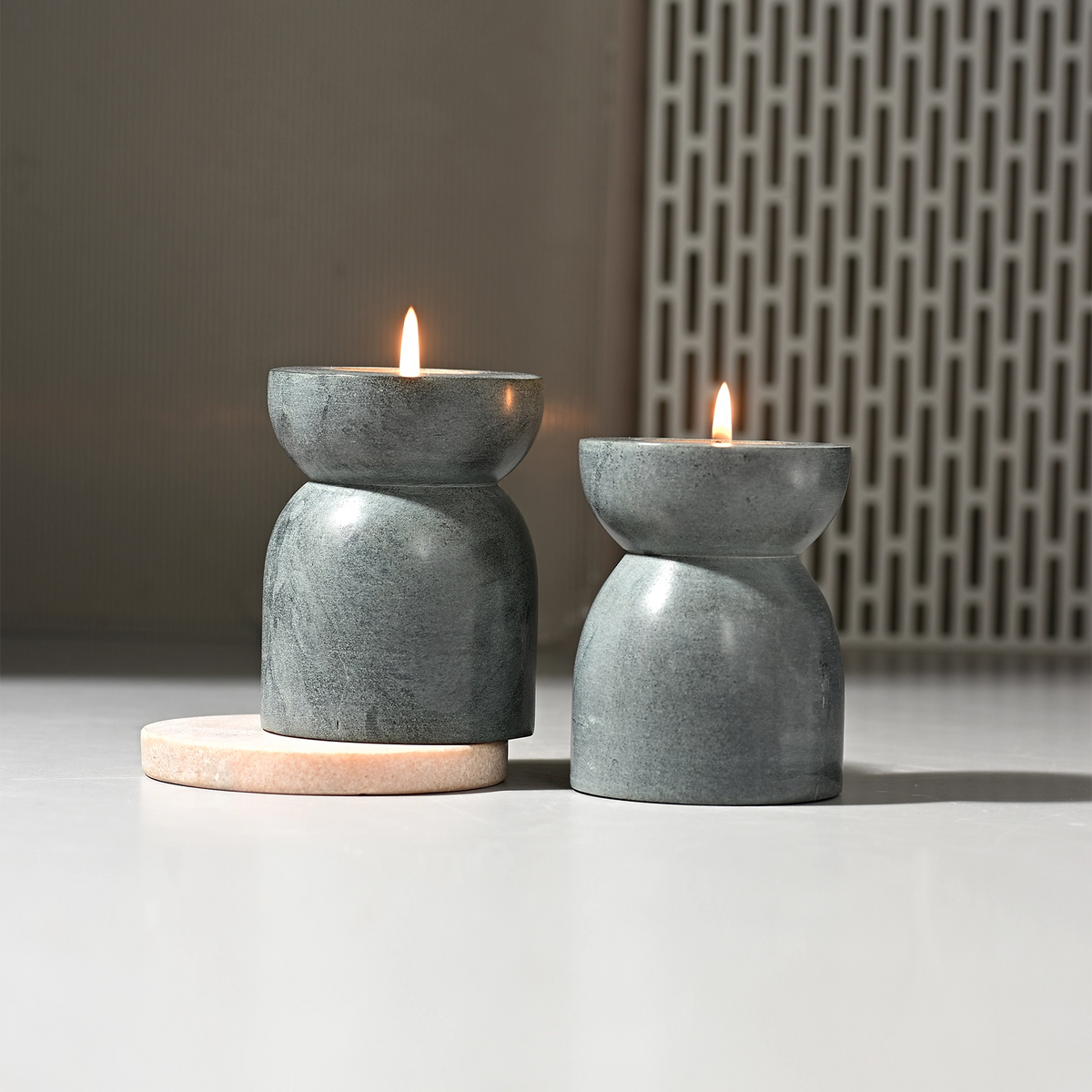
For Living
Hand-carved soapstone. Marble with inlay. Hand-embroidered cushions, runners, placemats and wall pieces.
Chikankari. Reshamdozi. Zardozi. And other forms of needlework shaped slowly by hand.
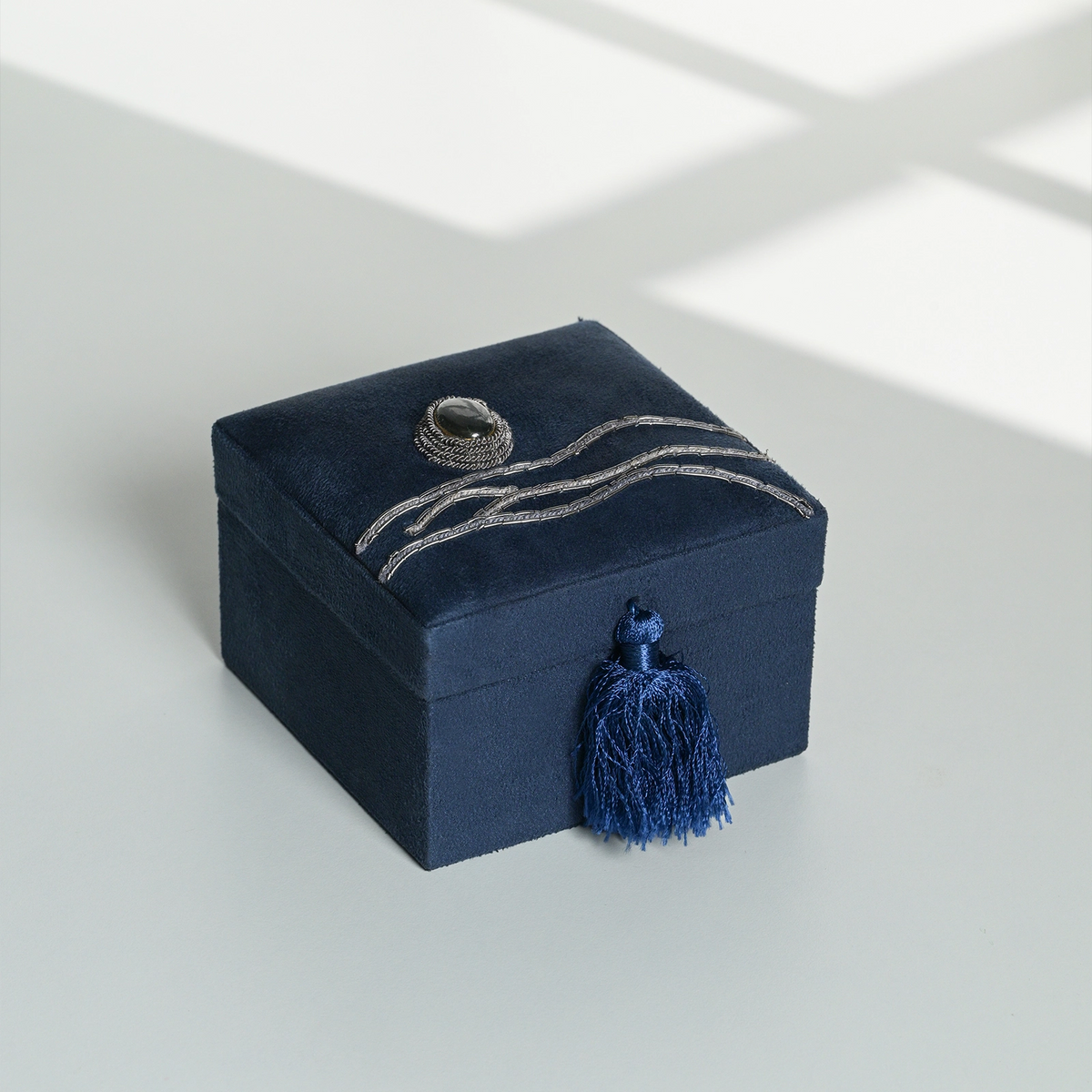
For Adornment
Clutches, handbags and jewellery boxes worked in zardozi metal wire, reshamdozi silk thread, beadwork and aari.
Finished with semi-precious stones and details that reveal the hand behind them.
Made Where the Knowledge Lives
AGRA
LUCKNOW
BAREILLY
Our stonework comes from Agra, where families have carved marble and set inlay since the Mughal era.
Our embroidery is worked across Agra, Lucknow and Bareilly — craft clusters where techniques have been passed from one generation to the next.
We do not take the skill out of its context and reproduce it elsewhere.
We work with the people and places that already hold it.


Variation Is Part of the Object
No two ZHAROKHA pieces are identical.
The grain moves through stone differently every time. A hand-drawn border sits a little differently on every cover.
A carved edge may reveal the hand that shaped it. We do not see these differences as imperfections.
They are evidence that the object was made rather than manufactured.

Started Before It Had a Name
I spent fifteen years working in sustainability, leading CSR and ESG.
That work took me into lanes, villages and craft clusters across India.
Again and again, I found extraordinary skill sitting in places with no direct route to the people who would value it — and pay properly for it.
Zharokha started there. Not as a product idea. As a question:
What would happen if the craft reached the right people without losing what made it worth reaching for?
- Akshitha, Founder of Zharokha
On the Other Side of the Frame
Seeing craft and understanding it are not the same thing.
Before trying to sell any of it, I wanted to understand what the work actually demanded.
So I sat in a zardozi workshop in Agra and learned to hold the needle.
I was eight months pregnant. Hours on the floor beside karigars who had done this work for decades left me with one small paisley swatch.
It was imperfect.
It is still the thing I am proudest of.


Then the Stone
I did the same with stone.
Days in workshops watching soapstone being turned and hollowed.
Watching inlay set piece by piece into marble.
Asking questions that made it obvious I was a beginner — because I was.
That learning continues.
Every ZHAROKHA object is priced, described and developed with respect for the work behind it.

Respect the craft. Rethink the form.
A window into Indian craft.
A way forward for how it lives.
